

The maritime industry is one of the backbones of Singapore's economy, accounting for more than 7% of its gross domestic product (GDP). However, the sector is also a significant contributor to the country's carbon footprint, with vessels emitting pollutants that harm the environment and public health.
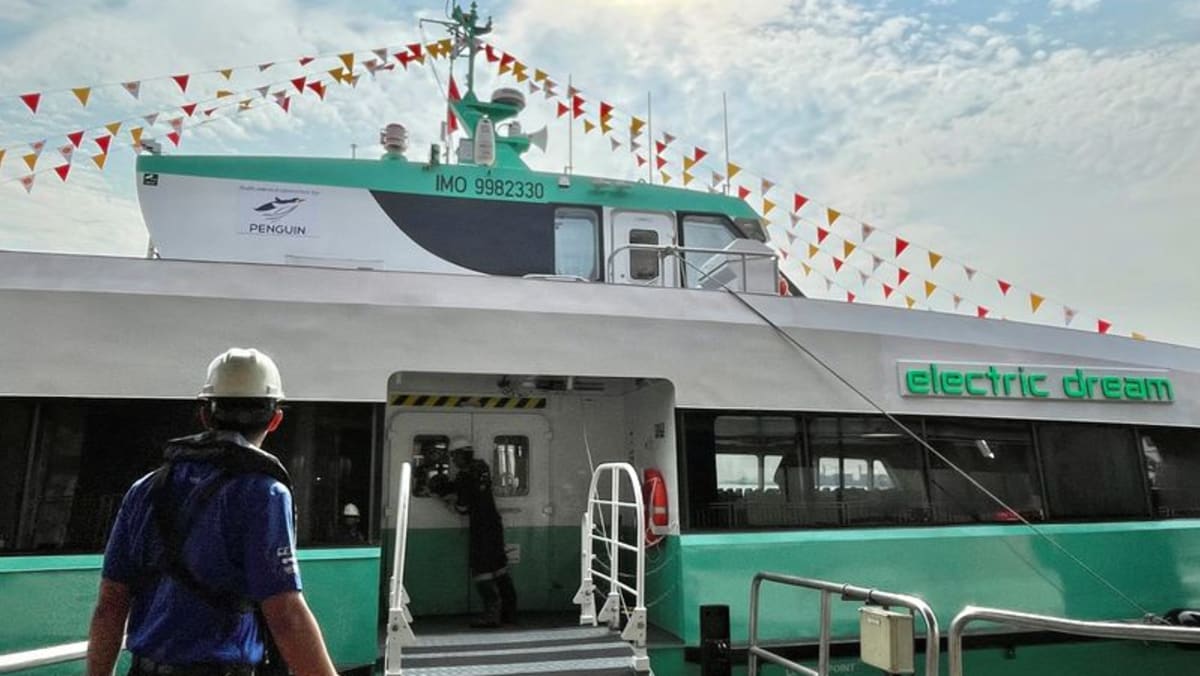
To address this issue, the maritime industry in Singapore is undergoing a green push, with companies exploring various ways to reduce their carbon footprint. One of the most significant developments in this regard is the upcoming launch of Singapore's first electric ferry.
- What is Singapore's First Electric Ferry?
- How Does the Electric Ferry Work?
- Benefits of Electric Ferries
- The Maritime Industry's Green Push
- FAQs
1.1. The Design and Capacity of the Electric Ferry 1.2. The Ferry Route and Its Impact on the Environment
2.1. Battery Technology and Capacity 2.2. Charging Time and Infrastructure 2.3. Safety Features and Standards
3.1. Zero Emissions and Noise Pollution 3.2. Cost Savings and Economic Benefits 3.3. Improved Passenger Comfort and Experience
4.1. The Importance of Sustainability in the Maritime Industry 4.2. Singapore's Green Initiative for Maritime 4.3. Other Sustainable Solutions in the Maritime Industry
5.1. When Will the Electric Ferry Launch? 5.2. Will the Electric Ferry Replace Traditional Ferries? 5.3. What is the Potential Impact of the Electric Ferry on the Environment?
- The electric ferry has a capacity of 100 passengers and is designed to operate on Singapore's waterways.
- It is equipped with an advanced battery system that can provide enough power for a full day's operation.
- The electric ferry's zero-emission and noise pollution features make it an ideal solution for sustainable transportation.
- The electric ferry's launch is part of Singapore's wider green initiative for the maritime industry.
FAQs:
Q: When will the electric ferry launch? A: The electric ferry is set to launch next month, May 2023.
Q: Will the electric ferry replace traditional ferries? A: While the electric ferry is a significant step towards sustainable transportation, it is unlikely to replace traditional ferries entirely.
Q: What is the potential impact of the electric ferry on the environment? A: The electric ferry's zero-emission and noise pollution features will help reduce the maritime industry's carbon footprint, contributing to a cleaner and healthier environment.
Conclusion:
The launch of Singapore's first electric ferry is a positive step towards achieving a more sustainable maritime industry. By reducing emissions and noise pollution, electric ferries can contribute to a cleaner and healthier environment while also providing cost savings and improved passenger comfort. The ongoing green push in the maritime sector highlights the industry's commitment to sustainability and sets an excellent example for other countries to follow.
http://dlvr.it/Smjq9s
